


Collagen is one of the most abundant proteins in our body. It is the basis of connective tissue, present in muscles, skin, cartilage, tendons, blood vessels, young bone tissue and even in the small intestine.
The content of collagen in the skin can reach 70%, it is also responsible for firmness and elasticity.
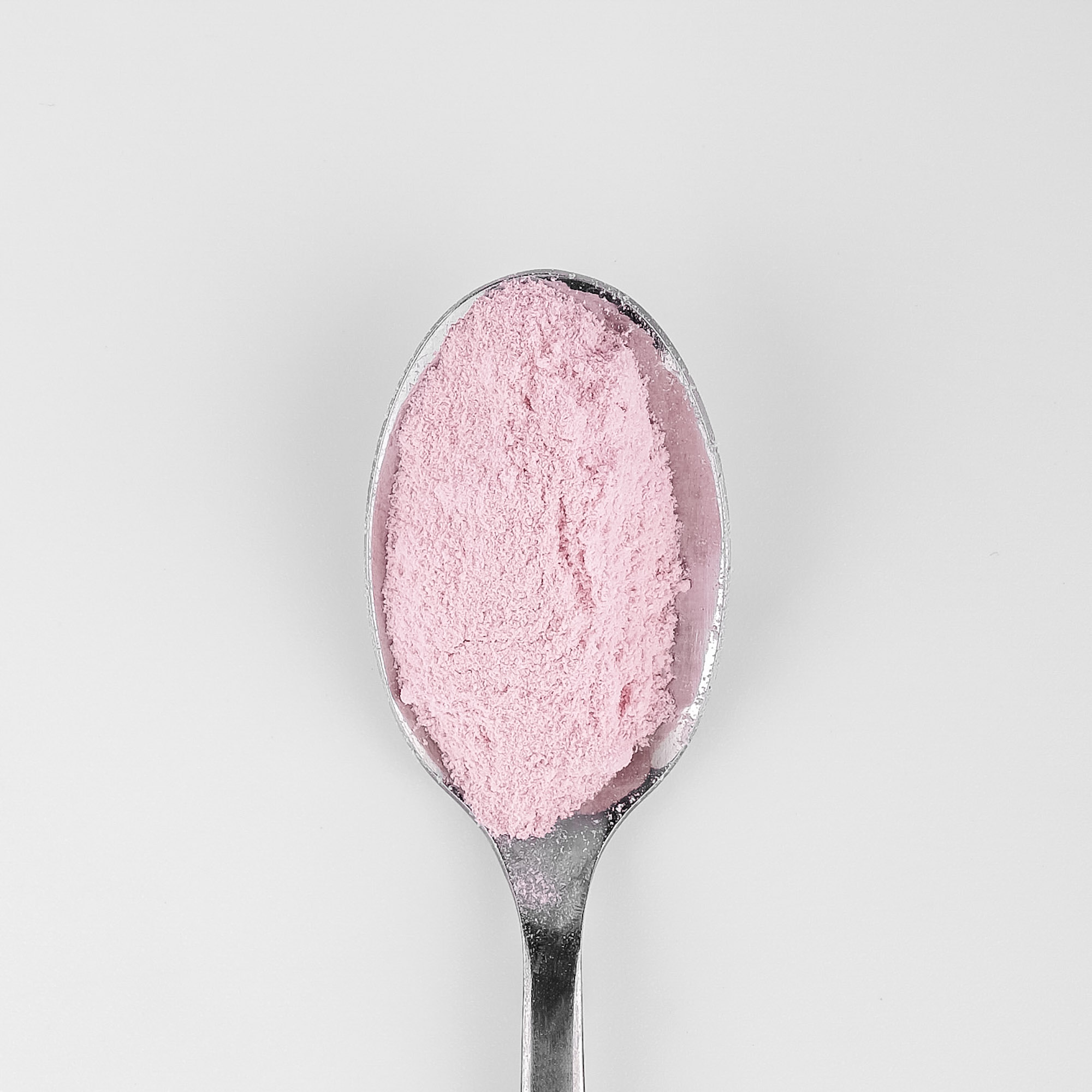 Collagen is produced by the body itself and in a young body (subject to quality nutrition and lifestyle) it is enough to provide all the needs of systems and tissues.
By the age of 25, the production of your own collagen decreases and it is impossible to stop this process.
But it is possible to slow down and reduce the negative manifestations of it.
Natural sources of (supplemental) collagen include chicken, salmon, skinned tuna and trout, organ meats, seafood, meat and bone broths. Red fruits and vegetables, leafy vegetables, berries, avocados, beans, garlic, carrots, flax seeds are foods that stimulate the production of your own collagen.
Bioadditives are high-quality and well-chosen an auxiliary source of components useful and indispensable for health and beauty.
Supplements with collagen are divided into two large groups - animal origin and marine.
Collagen of animal origin is obtained most often from the articular tissues of cattle.
Marine collagen is the result of the processing of the upper cells of the dermis of fish and other types of marine life.
Marine collagen has a low molecular structure and is absorbed to a high degree both in the form of a dietary supplement and transdermally - present in special cosmetics. In addition, this type of collagen is more similar than others to human collagen - that is produced by the body itself.
Recently, a third type (according to the type of source) of collagen has appeared, it’s vegetable. It is obtained by hydrolysis of wheat germ. This is a hypoallergenic product that can become part of the diet even for strict vegans.
Collagen supplementation can be started after the age of 25, supplementing the main diet.
First, collagen fills the deficiencies in the small intestine; its wall contains a lot of this protein.
Further, collagen is sent to various types of connective tissue, restores ligaments, joints, and nourishes cartilage. If you are recovering from an injury of musculoskeletal or ligamentous-cartilaginous just add collagen, things will go faster.
 And at the very end of the chain - the skin.
How to take collagen
Drinking collagen is best absorbed on an empty stomach.
One serving - from 6 grams (one teaspoon with a slide).
Collagen powder is diluted with warm water. Important: the water should not be too hot.
Therefore,
the best way to take collagen powder is in the morning, 30-40 minutes before your first meal, with warm water and lemon juice.
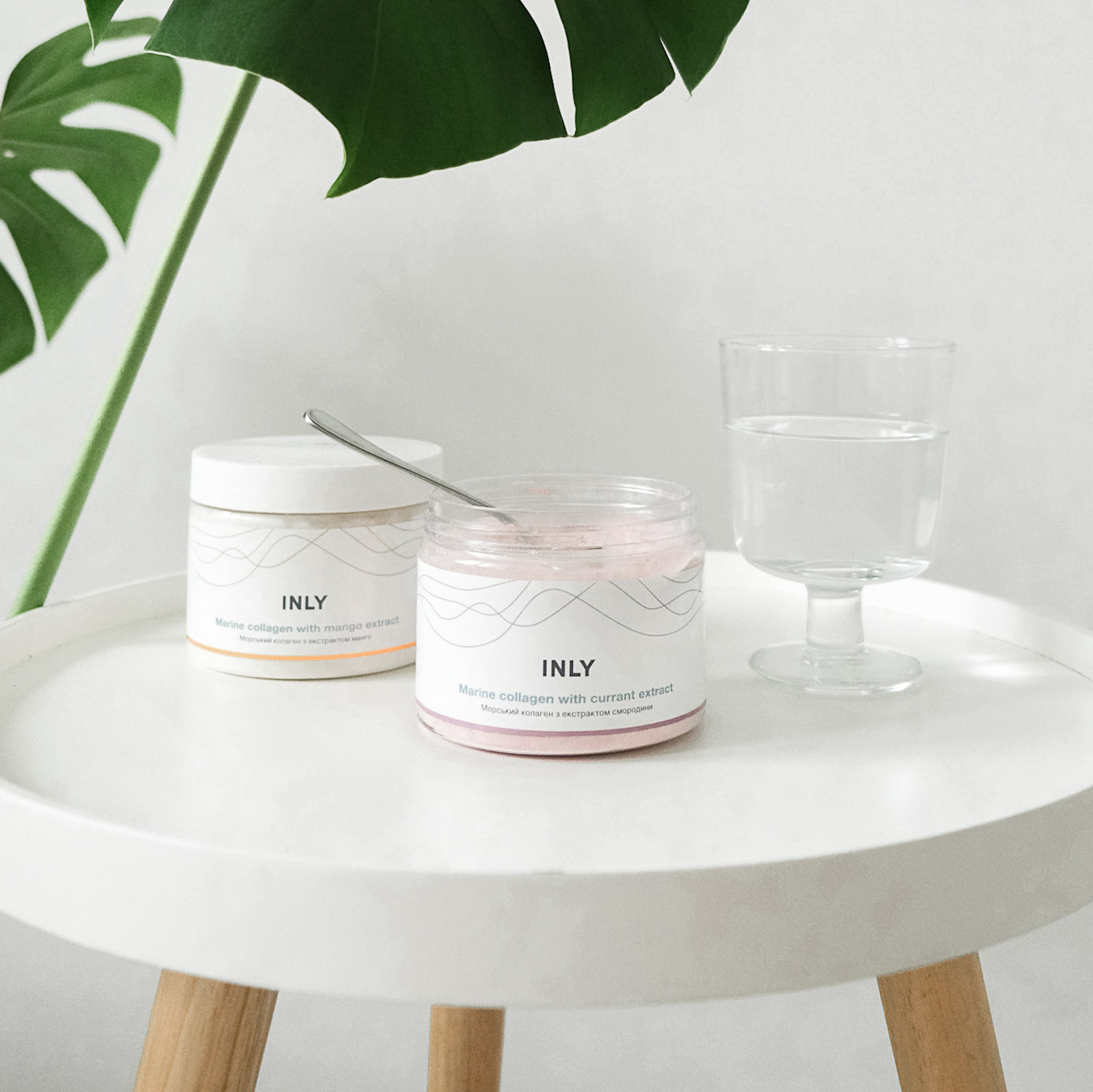
Our Collagen INLY Marine Collagen with mango extract (or with raspberry extract, with currant extract) already contains vitamin C.
Take the supplement in courses: drink daily for 1-2 months, then take a break for a month and you can repeat the course.
High-quality collagen has practically no taste and smell, it dissolves well in warm water.
Marine collagen due to the smaller molecule is absorbed better than the animal. It is best to take on an empty stomach, but it is also acceptable in the middle of the day - 3-4 hours after a meal, 30-40 minutes before the next meal.