


How to Restore Dehydrated Skin After Summer: A Comprehensive Skincare Plan
After summer, your skin may often look quite different from what you expected. Instead of a fresh glow — dullness; instead of smoothness — rough texture; and suddenly, your usual moisturizer no longer seems to provide the same feeling of comfort.
Sun exposure, heat, ultraviolet radiation, air conditioning, seawater, intensive cleansing, and changes in your usual routine can gradually deplete the skin's resources. And one of the most common consequences of the summer season is dehydration.
The good news is that dehydrated skin can be helped to recover. The key is not to try to “flood” it with as many products as possible, but to build a proper skincare routine.
What Is Skin Dehydration?
Dehydration is a condition in which the skin lacks water.
And here, it is important not to confuse dehydrated skin with dry skin. Dryness is a skin type or condition associated with an insufficient amount of lipids, which help retain moisture and support the skin's protective barrier.
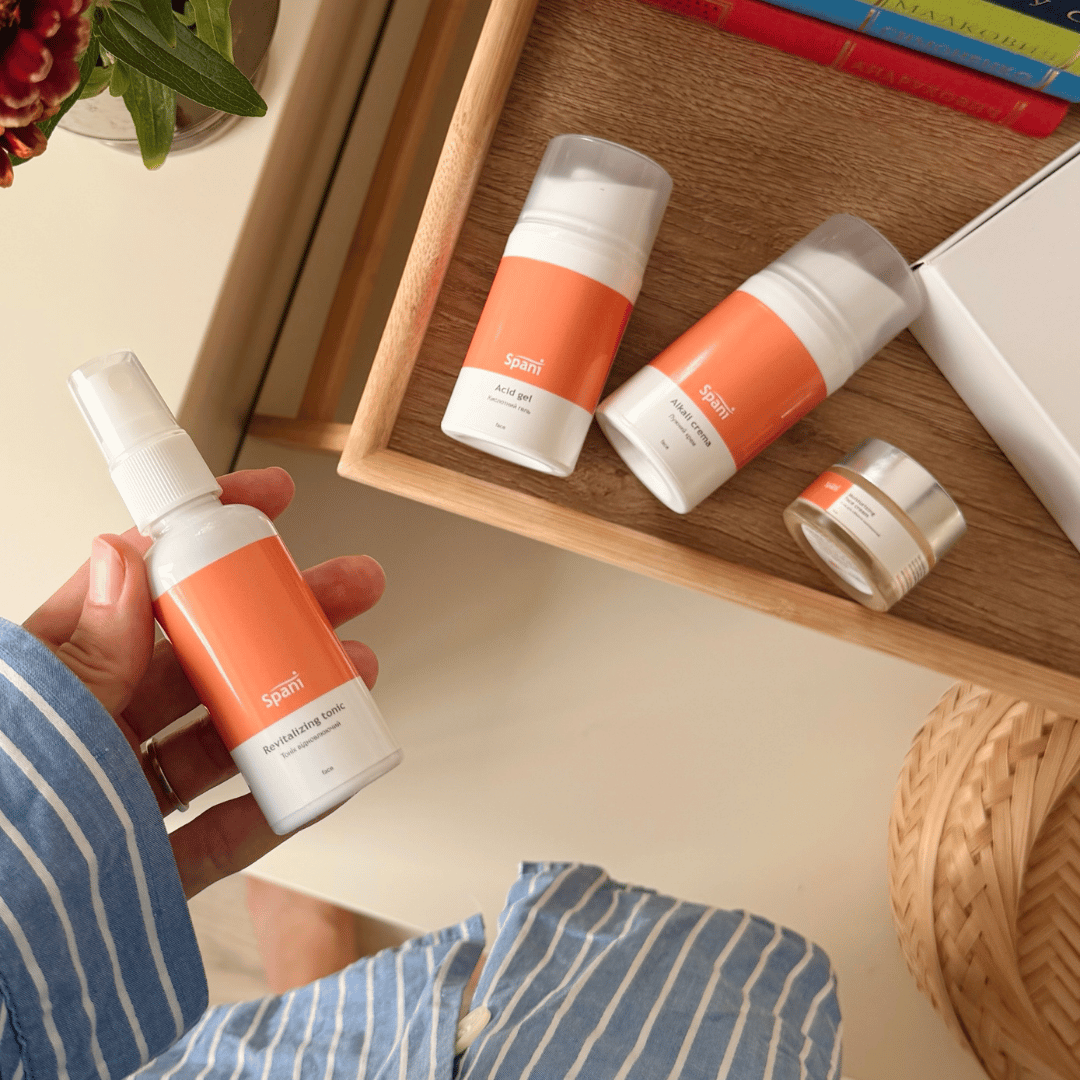 Dehydration, on the other hand, is a temporary condition that can occur in any skin type. That is why not only dry skin, but also normal, combination, and even oily skin can become dehydrated. It may actively produce sebum and appear shiny throughout the day while still lacking moisture — in other words, being dehydrated.
How to Recognize Dehydrated Skin After Summer
Dehydration does not always manifest itself through obvious flaking. Sometimes, the skin simply starts behaving “differently than usual.”
Pay attention to the following signs:
— the skin has lost its natural radiance and looks dull;
— there is a feeling of tightness after cleansing;
— fine lines and wrinkles have become more noticeable;
— the face looks less smooth and firm;
— dry or rough areas have appeared;
— the skin has become more sensitive and reactive;
— your usual skincare products have suddenly started causing discomfort;
— makeup applies less smoothly and emphasizes imperfections.
Another common situation is when the skin appears shiny but feels tight at the same time. This may be a sign that it does not need more cleansing, but rather sufficient hydration and support for its protective barrier.
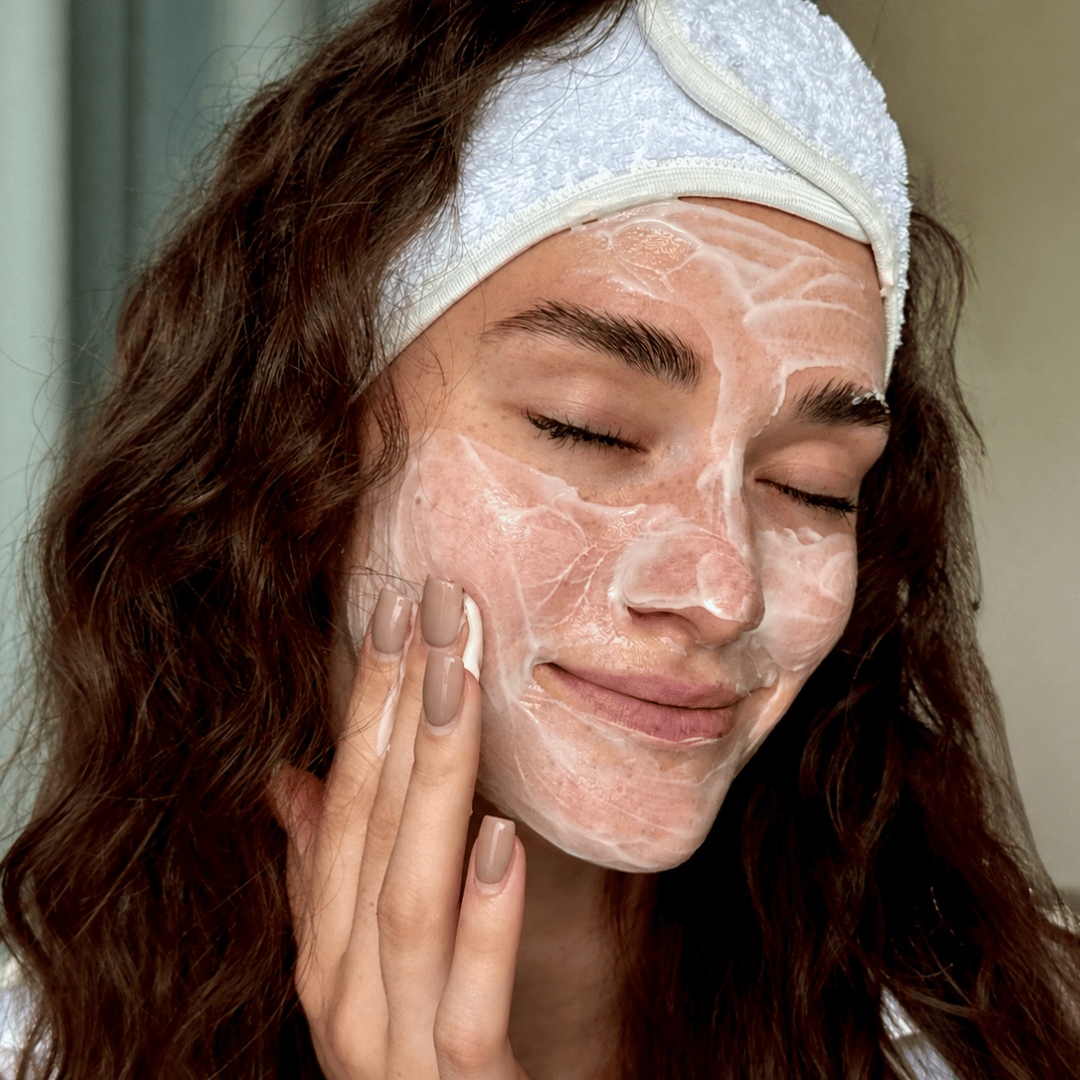 Why Does Skin Become Dehydrated After Summer?
Summer is associated with a whole range of factors that can affect the skin's moisture balance.
Ultraviolet Radiation
Prolonged exposure to the sun can negatively affect the skin's protective functions. As a result, it may become more difficult for the skin to retain the necessary amount of moisture.
Heat and Active Sweating
In hot weather, the body loses fluids more actively. If these losses are not replenished, this may affect both overall well-being and the skin's comfort.
Seawater or Chlorinated Water
Frequent contact with water, salt, and other external factors can affect the skin's lipid barrier and contribute to feelings of dryness and tightness.
Air Conditioning
Sharp transitions between the heat outdoors and dry, cool air indoors are another factor that can increase skin discomfort.
Overly Active Skincare
After summer, it is natural to want to restore the skin's smoothness and radiance as quickly as possible. And this is where it is easy to overdo it with acids, scrubs, and other active products. But if the protective barrier is already weakened, excessive exfoliation can only make the problem worse.
Who Can Experience Skin Dehydration? Anyone. Dehydration is not limited to a particular skin type. People with dry, normal, combination, and oily skin can all experience it.
How to Restore Your Skin After Summer: A Step-by-Step Plan
Restoring dehydrated skin is not about finding one “miracle” product. The best results come from a comprehensive approach, where each step supports the next one.
Step 1. Start with Gentle Cleansing
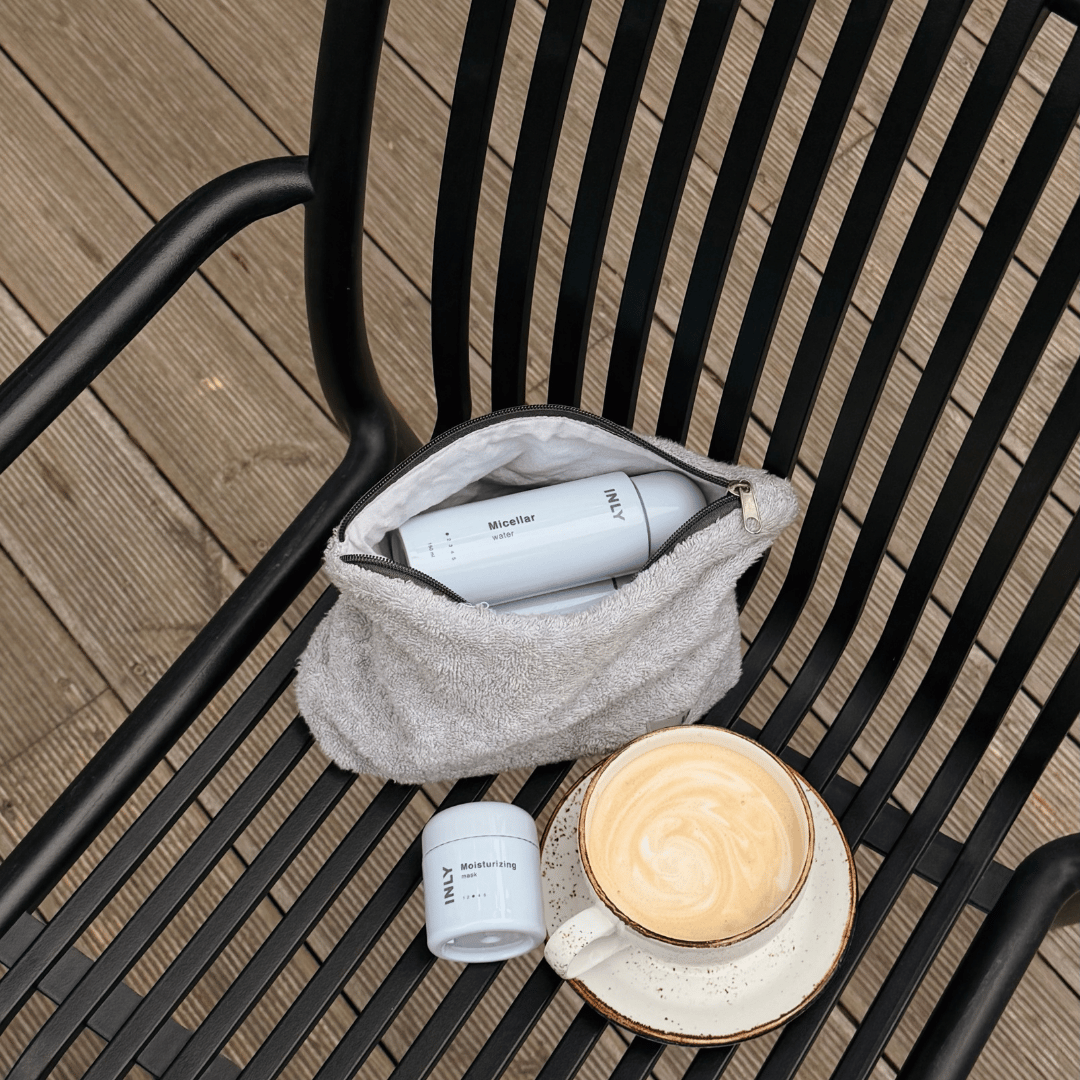
If your skin already feels tight and uncomfortable, the first thing worth reviewing is your cleansing routine. After summer, there is no need to try to cleanse your skin “squeaky clean.” Aggressive cleansing can further compromise the protective barrier and increase moisture loss. Choose gentle INLY cleansers that delicately remove impurities, sebum, and SPF residue without leaving the skin feeling dry or stripped. Micellar Water and Purify Foam are ideal for this.
Proper cleansing is the foundation from which the recovery of dehydrated skin begins.
Step 2. Remove Built-Up Dead Skin Cells — Gently
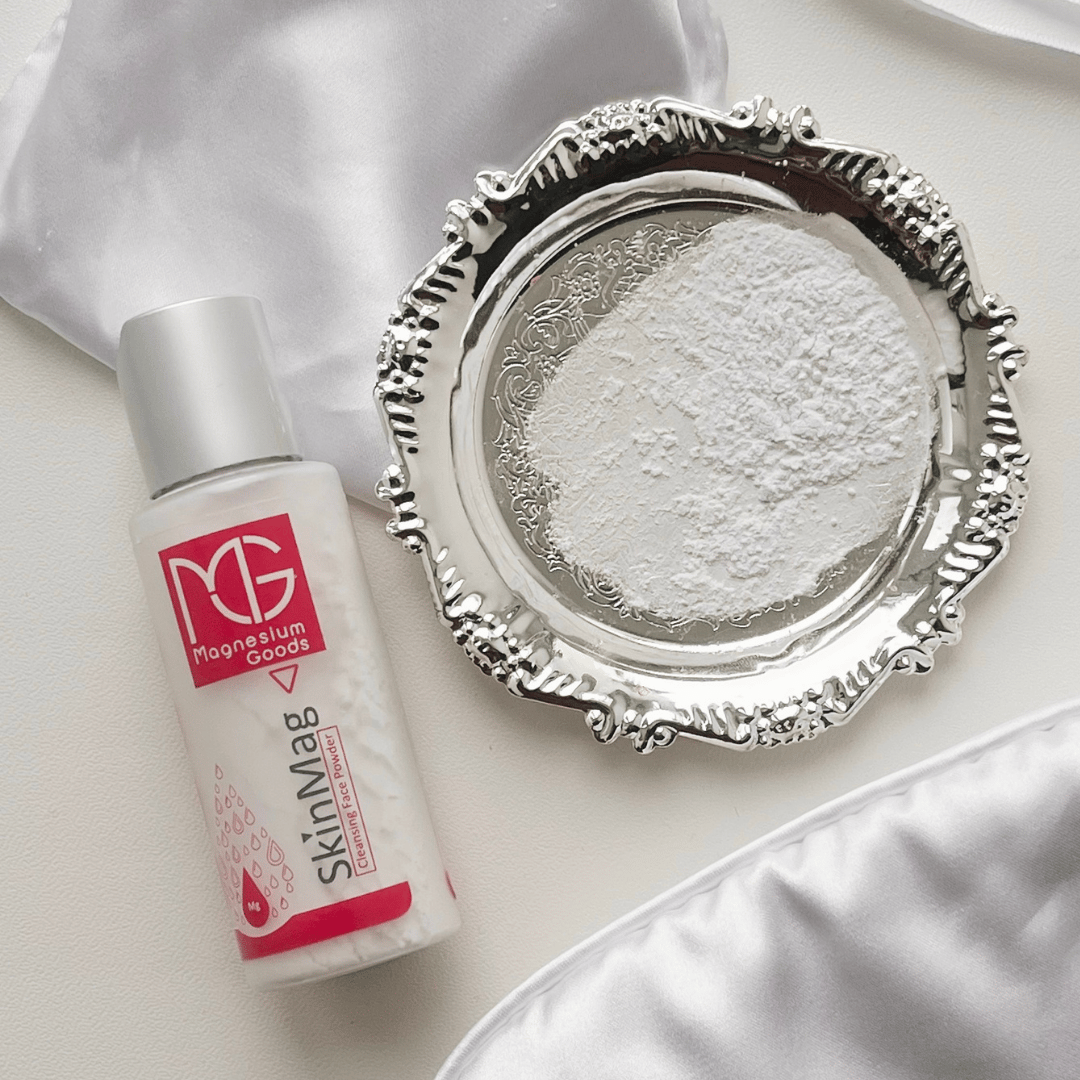
After summer, the skin often looks dull not only because of a lack of moisture. Dead skin cells can accumulate on its surface, making the texture feel less smooth and reducing the effectiveness of skincare products. For gentle skin renewal, you can add SkinMag Cleansing Facial Powder to your routine. Enzymatic exfoliation helps gently remove dead skin cells from the surface of the skin, making it smoother and fresher without physical impact, friction, or irritation. Instead, it works through enzymes that break down dead skin cells.
However, it is important to remember that more does not always mean better. If the skin is irritated, highly sensitive, or has a compromised protective barrier, any form of exfoliation should be approached with particular caution.
Step 3. Give Your Skin an Intensive Dose of Hydration
Dehydrated skin needs more than simply applying a cream — it is important to create the right conditions for it to receive and retain moisture. INLY Moisturizing Mask can help with this as an intensive skincare step when the skin needs more comfort, softness, and hydration. Such products work especially well during periods when the skin looks depleted after sun exposure, heat, or an active lifestyle. The mask does not necessarily have to become a daily ritual. Use it as additional support whenever your skin needs it.
 Step 4. Support the Microbiome and Protective Barrier
Healthy skin largely depends on how well its protective barrier functions. When the barrier is weakened, the skin may lose moisture more quickly, become more sensitive, and react more intensely to familiar external factors. During this period, it is worth paying attention to the probiotic serum GlowMony. This type of skincare helps support skin comfort and its natural protective mechanisms. It is especially relevant after summer, when the skin may have been regularly exposed to the sun, heat, water, and other stress factors.
Step 5. Help Your Skin Retain Moisture
One of the key mistakes in caring for dehydrated skin is focusing only on hydrating ingredients. The skin needs not only to receive moisture but also to retain it. This is where lipids and ingredients that help reduce moisture loss play a particularly important role. For this purpose, you can add Squalane to your skincare routine.
Squalane helps soften the skin, support its lipid barrier, and reduce the feeling of dryness and discomfort. It can be used as a separate skincare step or combined with other products according to your skin's needs.
Step 6. Lock In Hydration with the Right Cream
After serums and other hydrating products, the skin needs a cream that helps maintain an optimal level of moisture. For daily skincare, consider INLY's cream with four forms of hyaluronic acid — AquaLift Cream. Different forms of hyaluronic acid work in combination with hydrating and skincare ingredients to help provide the skin with hydration and a feeling of comfort. This type of cream is especially relevant when, after summer, the skin has lost its softness, smoothness, and natural radiance.
What About Retinol and Bakuchiol?
Autumn is traditionally considered the season for active skincare, so after summer, many people return to retinol. However, it is important not to rush.
If your skin is currently dehydrated, sensitive, or experiencing constant discomfort, it is worth first restoring its comfort and supporting the protective barrier. Only after that should active ingredients be gradually reintroduced.
INLY's retinol cream and products containing bakuchiol can become part of an autumn skincare routine focused on improving skin texture, addressing age-related changes, and supporting skin renewal. However, they should not be used as a way to “treat” dehydration. Active skincare requires a gradual and thoughtful introduction, regular hydration, and mandatory sun protection.
Step 7. Restore Your Skin's Radiance with Carboxytherapy
When the skin looks tired and dull after summer and has lost its freshness, your skincare routine can be complemented with the Oxygen Box at-home carboxytherapy treatment. This is an intensive skincare step that helps refresh the appearance of the skin, support its tone, and restore a more well-cared-for look. However, it is important to remember that even the most effective intensive treatments may not deliver the desired results if the basic daily routine is neglected. The best results come from combining oxygen-based renewal with gentle cleansing, regular hydration, barrier support, and the proper use of active ingredients.
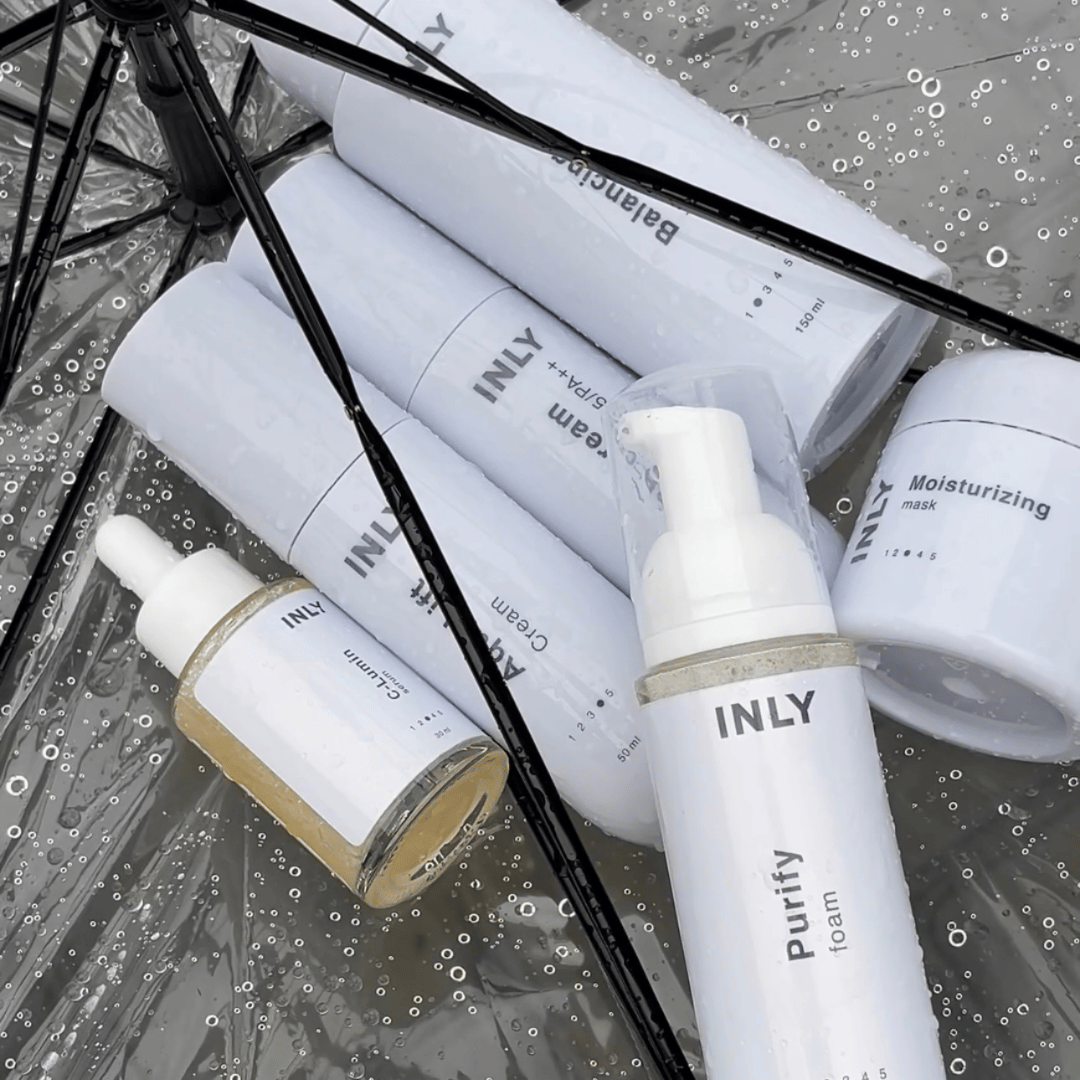 Step 8. Don't Stop Using SPF
The end of summer is not a reason to put your sunscreen away until the next season.
Ultraviolet radiation affects the skin throughout the year, which is why sun protection remains an important part of a daily skincare routine. Choose Shield Light Cream SPF 35, which is comfortable to wear every day and easy to incorporate into your usual routine. Sun protection is especially important if your skincare routine includes active ingredients, including retinol.
What Else Can Help Your Skin Recover?
Skincare does not end in the bathroom. The condition of your skin depends on many factors, including your lifestyle, nutrition, and your body's overall hydration balance.
Drink Enough Fluids
Water is essential for the normal functioning of the entire body. However, it is important not to think of drinking water as a standalone cosmetic solution that will instantly “hydrate” the skin. Regularly consuming enough fluids helps maintain the body's overall hydration balance. Consider your individual needs, activity level, air temperature, and your doctor's recommendations. The best strategy is not to wait until you feel very thirsty, but to maintain a regular drinking routine throughout the day.
Add Healthy Fats to Your Diet
Supporting skin health requires more than just water and vitamins — an adequate intake of fats is also important. Pay attention to fatty sea fish, nuts and seeds, avocados, and vegetable oils. Healthy fats are important for the normal functioning of the body and can be part of a balanced diet that also supports skin health.
 Eat More Water-Rich Foods
After the hot season, it is especially beneficial to add more fresh vegetables and fruits to your diet. Cucumbers, tomatoes, berries, watermelon, leafy greens, and other foods with a high water content can help diversify your diet and make it easier to support your body's hydration balance.
Don't Forget About Sleep and Recovery
Stress and lack of sleep can affect the appearance of your skin just as much as poorly chosen skincare products. So, if your skin looks tired after summer, try to evaluate not only the products on your skincare shelf but also your overall routine and lifestyle. Sometimes, your skin does not need another active product — it simply needs more time to recover.
So, Let's Sum It Up
If your skin has become dull, tight, rough, or more sensitive after summer, don't rush to add every possible active ingredient to your routine at once.
Start with the basics: gentle cleansing → gentle renewal when needed → intensive hydration → protective barrier support → moisturizer → SPF.
Once your skin regains a sense of comfort and stability, you can gradually introduce active skincare. Your skin does not always need more products. Sometimes, it simply needs to be given the opportunity to recover.
INLY — care that begins with understanding your skin's needs.